Mice and rat control in Etobicoke typically costs $200 to $500 for a mouse job and $300 to $600 and up for rats, with a free inspection and a firm quote on that first visit. Call or send the quote form and same-day booking is usually available. Mice are the fall problem in Etobicoke's older lakeshore houses and postwar bungalows. Rats turn up near the Humber, Mimico Creek and Etobicoke Creek, and anywhere food sits outside overnight. The two animals need different plans, so the first job is working out which one you have. For the other pests we treat here, see pest control in Etobicoke. For citywide detail on each animal, read our guides to mouse control in Toronto and rat control in Toronto.
Is it mice or rats?
The droppings settle it fastest. A mouse leaves dark pellets the size of a grain of rice with pointed ends, scattered wherever it ran. A rat leaves something closer to a raisin, blunt on both ends, usually bunched together near food or a wall.
Location is the second clue. A mouse goes up: the ceiling over the kitchen, the space behind the upper cabinets, the attic of a storey-and-a-half. A Norway rat is heavy and stays near the ground, so it shows up in the basement, the garage, under the deck and along the foundation. If a rat is in the house, there is almost certainly a burrow in the yard.
| Clue | Likely animal | Where it tends to be |
|---|---|---|
| Pointed pellets the size of rice grains in a cutlery drawer | House mouse | Kitchen, pantry, upper floors |
| Faint scratching in the ceiling once the house goes quiet | House mouse | Attic, joist spaces, wall cavities |
| Raisin-sized blunt droppings in a pile by the furnace | Norway rat | Basement, garage, crawlspace |
| Fist-sized holes with loose soil fanned out under a deck or shed | Norway rat burrow | Backyard, fence line, beside bins |
| Nesting and droppings in a shed on a ravine lot | Possibly deer mouse | Outbuildings near the creeks |
Getting this right decides the sealing. According to Health Canada, a dime-sized crack is enough for a mouse, and a quarter-sized hole is enough for a rat. A rat also chews harder, so the patch that stops a mouse will not stop it.
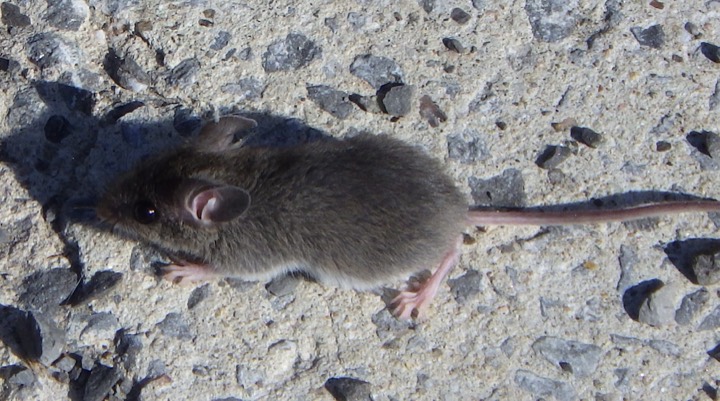

Why mice get into Etobicoke houses each fall
Mice move in when the nights turn cold, roughly September onward, and they use whatever gap the house offers. Etobicoke's housing gives them a different set of gaps in each part of the district.
Lakeshore houses in Mimico, New Toronto and Long Branch. Older foundations, mortar joints that have opened up, and decades of pipes and cables punched through the walls. These houses take the most sealing time.
Postwar bungalows in Alderwood, Eatonville and Thistletown. The weak spots repeat: the gas line entry, the dryer vent, worn garage door seals, weep holes in the brick, and the sill plate in the basement.
Larger detached homes in The Kingsway, Islington Village and Markland Wood. Mature trees, big attics, and soffit returns where the roofline meets the wall. A mouse can run up brick to the roofline, so we always check the attic on these houses.
Rental towers in Rexdale and along the Kipling corridor, and condos at Humber Bay Shores. Mice in a tower move along pipe chases and under doors, often from the garbage room. One unit sealed tight still needs the building to deal with the source.
A mouse problem is an entry problem. Trap the ones inside, seal the gaps, and the next ones have no way in.
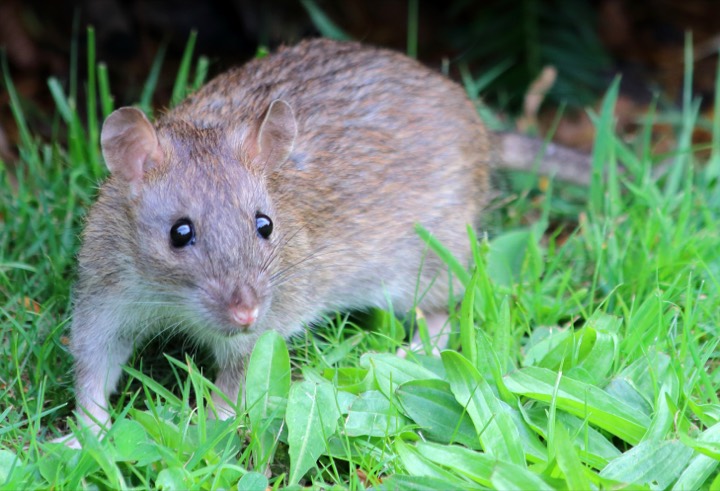
Rats along the ravines and the lake
Etobicoke sits between the Humber River on its east side and Etobicoke Creek on its west, with Mimico Creek running down the middle, and rats use all three valleys for cover. Mimico Creek is the one people misplace: according to TRCA, its mouth is Humber Bay Park, beside the Humber Bay Shores condos, and not the Humber as many assume. TRCA also reports that about 89% of the Mimico Creek watershed was urban as of 2020, which puts houses, bins and backyards right up against the creek. Etobicoke Creek reaches the lake at Marie Curtis Park.
A lot backing onto any of these is not doomed to rats. It just has less margin. Food is what turns a passing rat into a colony, and the City's rodent control page lists the usual sources: store garbage in animal-resistant containers with tight lids, keep the green bin locked, and keep the ground around bird feeders and bird baths clean. Add open compost, dropped fruit, and pet food on the deck, and you have the full menu.
Across Toronto the trend is up. Rodent complaints and service requests to the City more than doubled in a decade, from 1,165 in 2015 to 2,523 in 2024, according to the Rat Response Plan report. The report adds that the counts likely run low, because owners are responsible for their own rats and many never report them.



What the treatment involves
Mouse and rat jobs share a method, but rat jobs put more of the work outside. Here is the order on an Etobicoke property.
- Free inspection. Indoors we trace droppings, grease marks, chewed packaging and nest sites. Outdoors we walk the foundation, garage, deck, shed, fence line and bins, and count any burrows. By the end we know which animal it is, and you have the quote.
- Trapping. Snap traps go on the runs we found, behind the fridge and stove and along the basement walls, out of reach of children and pets. Traps give you a body count, so you know when the indoor population is gone, and nothing crawls into a wall to die.
- Locked stations only where they fit. Health Canada says rodenticide baits must be used in a tamper-proof bait station in any area children and pets can reach, and should not be the only control method. We follow that, and every product is Health Canada-registered and applied to its label.
- Sealing. Small gaps get packed with steel mesh and finished with sealant. Rat-sized openings get galvanized hardware cloth, sheet metal flashing or mortar, since spray foam is no obstacle to a rat's teeth. Live burrows are treated, and once activity stops they are collapsed and backfilled.
- Follow-up. A return visit to empty traps, service any stations and confirm nothing has chewed through the new seals. Activity within two months gets one free re-treatment.
How to clean up droppings without getting sick
Never sweep or vacuum dry droppings. Dry cleanup throws fine dust into the air, and that dust is how people get sick; Health Canada and the Public Health Agency of Canada both say so.
PHAC's method: wear rubber or plastic gloves, spray the droppings, nesting material and the area around them with a disinfectant or a mix of 1 part bleach to 9 parts water, and let it soak for 10 minutes before wiping up. In a tight space like a crawlspace or a shed, PHAC recommends an N95-level respirator.
Sheds and garages on ravine lots deserve extra care. Health Canada names the deer mouse as the most common carrier of hantavirus, and PHAC lists the deer mouse, white-footed mouse and red-backed vole as carriers found in parts of Canada. If you find nesting in an outbuilding near the Humber or the creeks, wet it down before you touch it.
What mice and rat control costs in Etobicoke
Expect $200 to $500 for mice and $300 to $600 and up for rats in Etobicoke. What moves a job within that range is how many openings need closing and how much of the work is outdoors.
| Etobicoke job | Typical range |
|---|---|
| Humber Bay Shores or Kipling-area unit with a mouse coming in at one spot | $200 to $300 |
| Alderwood or Eatonville bungalow: traps, garage and foundation gaps sealed | $300 to $500 |
| Mimico, New Toronto or Long Branch house with attic activity and many gaps | $400 to $500 |
| Rat burrows in the yard, foundation openings closed in metal or mortar | $300 to $600 |
| Lot backing a ravine or creek, several burrows, rats already indoors | $600 and up |
A postwar Alderwood bungalow usually seals faster than an older Long Branch house whose foundation has been patched many times over. You get the number after the free inspection and it holds. The Toronto pest control cost guide lists every pest.
Toronto's rules: owners, landlords and tenants
Every Toronto bylaw covers Etobicoke, and on rats the City is blunt: owners and businesses manage the rats on their own land, and for an infestation on private property the City tells residents to bring in a pest control company.
Toronto Municipal Code Chapter 629 is specific. Under section 629-9, every property has to be kept free of pests and of the conditions that invite them, and rats and mice are both named in the chapter's definition of a pest. Section 629-21 requires openings in an exterior wall that have no door or window to be protected against the entry of rodents, vermin and insects. Section 629-37 requires basement floor drains to be screened with a metal grill or similar material to keep rodents out. If an owner fails to comply after notices, the Rat Response Plan report says the City can fix the pest issue at the owner's expense.
If you rent, start with your landlord. Ontario's Residential Tenancies Act, at section 20, puts repair and maintenance of the building and every unit on the landlord, including keeping them fit to live in. The City's advice for tenants is to raise rodents with the landlord, building owner or property manager first, and contact 311 if the issue is left unaddressed.
Tenants in Rexdale, Kipling and lakeshore rental buildings have extra backing. RentSafeTO applies once a building reaches three storeys and 10 units. In those buildings, the Rat Response Plan report says, the landlord has to inspect for pests monthly and within three days whenever a tenant complains. Our landlord and tenant guide walks through the process.
If the rats are coming from somewhere you do not control, like a neglected yard next door or a dig site down the street, that is a 311 report. The Toronto rat problem page explains what the City handles and what it leaves to owners.
Doing it yourself versus calling
A single mouse caught in the garage, with no droppings upstairs and quiet ceilings, is a fair weekend project. Put out three or four snap traps at right angles to the wall, look hard at the bottom corners of the garage door, and stuff any gap you find with steel mesh before you caulk it.
Bring in a pro once you find droppings in two or more rooms, hear running overhead after dark, or keep emptying traps that refill. The same goes for any sign of a rat. On a lot near the Humber or the creeks, rat work means digging around burrows and sealing a foundation in metal, and loose poison set out by a homeowner is exactly what puts a neighbour's dog in danger. For a fuller checklist, read do I need an exterminator.
Poison clears a shift of rodents. Sealing closes the door the next shift would use.
Common questions
How much does mice and rat control cost in Etobicoke?
Mice usually cost $200 to $500, which pays for the traps, the sealing and a return visit. Rats cost $300 to $600 and up, because burrows and metal or mortar sealing take longer. The price is set at the free inspection and does not change once work begins.
Can someone come today for mice or rats in Etobicoke?
Most days, yes. Call at any hour, since the line is staffed 24/7, and a same-day slot can usually be found. You pay nothing for that first look, and you leave it with a quote.
Are rat bait stations safe for kids and pets?
Used properly, yes. Health Canada requires rodenticide to sit in a tamper-proof station anywhere children or pets can get to, and that is the only way we use it. Indoors the work is mostly traps set out of reach, and every product is applied to its label.
I back onto the Humber ravine or Mimico Creek. Will rats keep coming?
The pressure does not go away, so the fix is making your lot a poor home for them. That means sealing the foundation and garage in metal and mortar, treating and collapsing burrows, and removing food such as open compost, bird seed and loose garbage.
Is my landlord responsible for mice in my Etobicoke apartment?
Yes. Under the Residential Tenancies Act, upkeep of a rental falls to the landlord, and getting rid of rodents is part of upkeep. Send the complaint in writing, let the technician in on the booked day, and go to 311 if nothing is done.
Do I need to leave the house during mouse or rat treatment?
No. Traps, sealing work and locked stations all happen with you at home. Any label instruction to keep off a spot gets passed on to you before we leave.
Does the two-month guarantee cover rats as well as mice?
It covers both animals. Any sign of mice or rats inside the two months after treatment earns one free return visit and re-treatment.
Reviewed October 2026.
Prefer to talk? Call
(365) 217-5987Tell us the pest and your neighbourhood and we give you a price range on the spot. The inspection is free, and there is no charge to ask.
- Published price ranges, no "call for a quote"
- Free inspection, price locked before we start
- Licensed and insured technicians
- Two-month guarantee, one free re-treatment
- Honest advice if you do not need a pro yet
Toronto & the GTA · Same-day, 24/7 for emergencies
Get a straight quote
Tell us what you are seeing and we come back with a price range and a time. No obligation, no on-site surprise.